
The Human Seasons Part One
A look into our climate.

Last Wednesday, I did a lecture about the human seasons and wanted to bring that discussion here. The concept of human seasons is that everything we feel belongs to an internal season. Some things can leak into all seasons, much like rain does, but there are specific indicators to tell us what season we are currently in. This is a big, complex discussion, so I will be breaking it into parts to make it easier to digest.
Last week, we discussed kigo and how seasonal words belong in a dictionary called the saijiki. Well, I believe there is such a dictionary for the human seasons, but this is much more personal. Much like the otter tells us it is Winter in haiku, what tells the world what season you are in? We have all heard of spring cleaning, but what obvious things indicate what season we are currently in? Human kigo feels more like actions or phrases than words. If a friend is acting a certain way, then it can indicate mood, but are these moods indicative of their seasons? I have a friend who identifies Winter much like the outside season. Full of snow, and arduous to get through. I can tell when they are in Winter because they hold tighter to their comforts and are in need of warmth. In my mid Spring, I am busy and would associate cold coffee as a kigo, as I am so preoccupied, I forget to enjoy things to their full extent.
I hinged a lot of this lecture on haiku because of how seasonally based they are. They are also fundamentally about nature, but the human cannot help but leak in. This then poses the additional question: Is human, nature? There are poems by the four haiku masters that are clearly written about smaller creatures, yet metaphorically they can stretch to being about us. Take this snail poem by Issa:
O snail,
climb Mt. Fuji,
but slowly, slowly
It is easy to see the connection to humanity and how we are all stretching for some shade of sky. There are three stages of the human journey: the uphill, the flat land, and the fall. This is an entirely separate concept, but much easier and quicker to explain. The uphill is the hard times, the flat land is when we are content, and the fall, despite the name, is the payoff. It is where we get to feel the most joy. Think of the rollercoaster and the chug of the climb compared to the rush of the fall. It is very much this.
As for the human seasons, what season would you consider the climbing? To me, climbing feels like growth, so I consider it human Spring. What about admiring the view? What season does that exist in for you? Is summer the kick back, where we admire what's bloomed? I realise this is an odd concept and you may be struggling to grasp it at this juncture, but I promise there is a benefit to this thinking which we will get to very soon. First, I want to show you the poem by John Keats that encouraged me to fully explore this idea.
The Human Seasons by John Keats
Four Seasons fill the measure of the year;
There are four seasons in the mind of man:
He has his lusty Spring, when fancy clear
Takes in all beauty with an easy span:
He has his Summer, when luxuriously
Spring’s honied cud of youthful thought he loves
To ruminate, and by such dreaming high
Is nearest unto heaven: quiet coves
His soul has in its Autumn, when his wings
He furleth close; contented so to look
On mists in idleness—to let fair things
Pass by unheeded as a threshold brook.
He has his Winter too of pale misfeature,
Or else he would forego his mortal nature.
This here is a sonnet, and I am not a huge fan of this poem, but that is besides the point. Personal feelings aside, sonnets are good for capturing specific feelings and concepts, but this one feels too large to be contained in a form. The thing I have always admired about haiku is that it doesn’t attempt to capture the entire room, but rather isolates every object. Within the Keats poem, he mentions how there are four seasons in the mind of man, but we are far too complex to be limited to only four seasons. The analogy that fits this poem would be ‘too many fish and not enough net.’ How many seasons there are and what we consider seasons tend to differ between people, although there are similarities. Once you begin exploring this, you learn quickly that human seasons are more the seasons of you. We all have a Spring, Summer, Autumn, and Winter within us, but how we define them will alter slightly. My base four seasons look like this:
Summer is when I enjoy being social more, and when I work less, and just appreciate what is around me with full admiration.
Spring is full growth. Where I am taking the world in and letting it shape me.
Autumn is when I am a little lost and struggle with purpose. For me, hopelessness and loneliness live here.
Winter is the slow season, but also where my creativity is most alive. This is my comfort season.
These don’t align with the outside seasons. In nature summer I am quite sad and struggle to find things to appreciate. Autumn is my favourite nature season, but my least favourite human season. Without too much thought, just jot down who you are in these four seasons. When do you feel growth? In what human season does joy live? You can refine these later, and it is a guarantee that the deeper we delve into this concept, the more they will shift.
The big difference between nature and human seasons is that they don’t stay for specific lengths, and they don’t follow an order. You can go from Winter to Summer and back again, whereas nature follows a strict schedule. I find peace dividing how I feel into seasons because it allows me to look at it in the same way crops grow. What’s in or out of season changes depending on the weather, and human seasons have consistent weather. Whatever climate you associate with human Winter will always stay the same, but can differ in extremes. A winter can go from being cold to freezing, for instance. You can also grow vegetables out of season, and you might succeed, but they will not be as colourful or as fresh. There is a time for tomatoes and a time when the ground must rest and prepare for growing. In humans, we fluctuate in and out of different sorts of creativity, and we must learn when to plant certain seeds. I have times when my ideas are at full growth, and this is when I am in my human season of Spring. I have spent many seasons forcing poetry instead of listening to my seasons and trying a different strand of creativity.
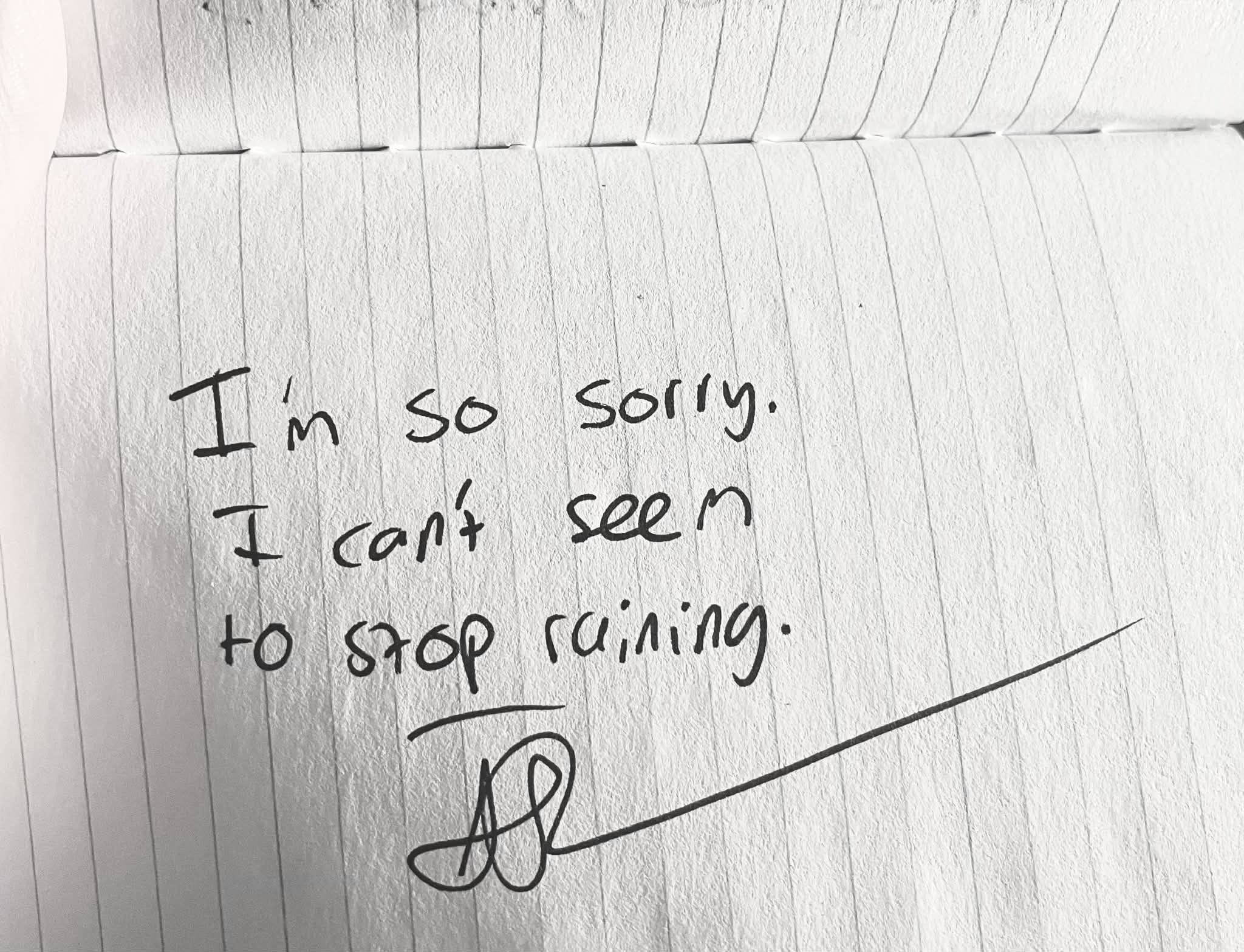
As for a list of things that exist in all seasons, these will also change for you, but from my perspective, burnout can be seen as a drought, overwhelm can be seen as a storm, and anxiety can be a fog. Doubt can be seen as a specific sort of rainfall, and hope could be a heatwave. Over the next week, ponder your seasons and ask yourselves the following questions:
What season are you currently in?
What is the indicator of your current season?
What are some of your human kigo?
What are the human seasons to you? For example, is spring growth, and if so, what version of you exists in spring? Are you more curious? Is there where growth feels most possible?
For part two, we will explore the number of seasons and debate what is and isn’t a season. We will also summarise why all of this matters and how it can help you. You might already have thoughts or disagreements about what I have said, and that is great! I don’t believe we can grow without conversation and collaboration. Talk in the comments below, or I have started a chat thread. Until next time, keep kind and stay true, Woofenberry’s.

This song was designed for the low volume. Let it live amongst you
.